Overcoming Lack Of Motivation
Content about overcoming lack of motivation (Auto-generated fallback due to API error).
That hazy, unreal feeling. The sense that you're observing your life from behind a pane of glass. The creeping suspicion that you're not quite you anymore. If any of this sounds familiar, you might be experiencing what many describe as "feeling disconnected from myself." And while it can be unsettling, it's more common than you might think. So, if you're grappling with this sensation, know that you're not alone, and there are ways to reconnect.
At a glance:
- Feeling disconnected is a common experience, not a sign of madness.
- It can manifest as feeling detached from your body, thoughts, or surroundings.
- Underlying issues like stress, trauma, anxiety, and depression can contribute.
- Lifestyle changes, therapy, and grounding techniques can help you reconnect.
- Seeking professional help is a sign of strength, not weakness.
What Does Feeling Disconnected Really Mean?
It’s not some far-out, esoteric concept reserved for mystics. Feeling disconnected from yourself is, at its core, a sense of detachment from your authentic self and your immediate reality. Imagine navigating your day as if you're watching a movie starring you, but you're just an observer, not the actor.
This disconnection can manifest in many ways:
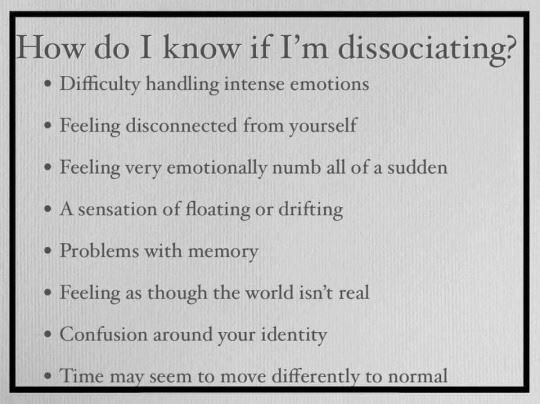
- Emotional Numbness: A diminished capacity to feel joy, sadness, anger, or any emotion with intensity.
- Cognitive Disconnect: Difficulty focusing, feeling like your thoughts aren't your own, or struggling with a sense of mental "fog."
- Physical Detachment: Feeling separate from your body, as if you're floating or observing yourself from afar.
- Loss of Interest: Apathy towards activities, hobbies, or relationships that once brought you joy. This can involve a sense that "those powerful things that drove you forward start to fade in your rearview mirror."
This experience can be incredibly isolating, leaving you feeling like a stranger in your own life. You might even experience mindless eating, where you are distracted and not aware of what or how much you are eating.
The Roots of Disconnection: What's Causing This?
Pinpointing the exact cause of feeling disconnected can be complex, as it's often a combination of factors. Here are some common culprits:
- Stress and Burnout: Chronic stress can overwhelm your coping mechanisms, leading to detachment as a form of self-preservation.
- Trauma: Past trauma, whether physical or emotional, can create a sense of disconnection as a defense mechanism.
- Anxiety and Depression: Mental health conditions like anxiety and depression can significantly alter your perception of self and reality.
- Lifestyle Factors: Lack of sleep, poor diet, social isolation, and substance use can all contribute to feeling disconnected.
- Major Life Changes: Significant transitions, such as job loss, relationship changes, or relocation, can disrupt your sense of self.
Depersonalization-Derealization Disorder: When Disconnection Becomes a Disorder
While occasional feelings of disconnection are common, persistent and distressing experiences might indicate Depersonalization-Derealization Disorder (DPDR).
DPDR is a dissociative disorder characterized by recurring or persistent feelings of:
- Depersonalization: Feeling detached from your own body, thoughts, or feelings. You might even believe you have no self. Some describe it as feeling like you’re outside of your body, watching yourself in a movie or from above.
- Derealization: Feeling detached from your surroundings, experiencing them as unreal, distorted, or dreamlike. Experiencing others or objects as foggy, artificial, cartoonish, or dreamlike are indicators.
It's important to note that DPDR is a diagnosable condition, and if you suspect you might have it, seeking professional evaluation is crucial. If these feelings are happening more frequently, you may have depersonalization-derealization disorder .
Symptoms of DPDR
The symptoms of depersonalization and derealization can be unnerving. Here's a more detailed look:
Depersonalization Symptoms:
- Feeling like you're an outside observer of your own life.
- Feeling detached from your body or specific body parts.
- Experiencing emotional numbness or a lack of feeling.
- Having a distorted sense of self.
- Feeling like your thoughts or memories aren't your own.
- A sense that “My thoughts don’t feel like my own,” or “My head is filled with cotton”.
Derealization Symptoms: - Feeling like the world around you is unreal or distorted.
- Experiencing people or objects as flat, two-dimensional, or cartoonish.
- Feeling like you're separated from the world by a glass wall or veil.
- Experiencing a distorted sense of time (too fast or too slow).
- Feeling unfamiliar with your surroundings, even if you've been there before.
Reclaiming Yourself: Practical Strategies for Reconnection
Regardless of the underlying cause, there are steps you can take to reconnect with yourself and the world around you.
1. Cultivate Mindfulness and Presence
Mindfulness is the practice of paying attention to the present moment without judgment. It's about grounding yourself in the here and now, rather than getting lost in thoughts about the past or worries about the future.
- Mindful Breathing: Focus on the sensation of your breath entering and leaving your body.
- Body Scan Meditation: Systematically bring awareness to different parts of your body, noticing any sensations without judgment.
- Mindful Walking: Pay attention to the feeling of your feet on the ground, the movement of your body, and the sights and sounds around you.
Meditation also works well for this too. Calming your mind, finding a center where everything meets nothing can bring your life into perspective.
2. Engage Your Senses
Activating your senses can help you reconnect with the physical world and bring you back to the present moment.
- Taste: Savor your food, paying attention to the flavors, textures, and aromas.
- Smell: Inhale the scent of essential oils, flowers, or freshly brewed coffee.
- Sight: Observe the details of your surroundings, noticing colors, shapes, and patterns.
- Touch: Wrap yourself in a soft blanket, take a warm bath, or pet an animal.
- Sound: Listen to calming music, nature sounds, or a guided meditation.
3. Reconnect with Your Body
Physical activity can be a powerful way to reconnect with your body and release pent-up energy.
- Exercise: Engage in activities you enjoy, whether it's running, swimming, dancing, or yoga.
- Stretching: Gently stretch your muscles to release tension and improve flexibility.
- Massage: Treat yourself to a massage to relax your body and mind.
4. Nurture Your Creativity
Engaging in creative activities can help you express your emotions and reconnect with your inner self.
- Journaling: Write down your thoughts, feelings, and experiences.
- Art: Draw, paint, sculpt, or engage in any form of visual art.
- Music: Play an instrument, sing, or listen to music that resonates with you.
5. Set Meaningful Goals and Rediscover Your Passions
When feeling disconnected, it's easy to lose sight of what matters to you.
- Identify Your Values: What are the things that are most important to you in life?
- Set Small, Achievable Goals: Start with small steps to build momentum and a sense of accomplishment.
- Explore New Hobbies: Try new activities to discover hidden talents and interests.
- Reconnect with Old Passions: Revisit hobbies or interests you once enjoyed but have neglected.
Start setting goals for your future, no matter your age. Make a list in the morning of everything you want to strive for during the day. Then make a separate list of things you want in the long term.
6. Prioritize Self-Care
Self-care isn't selfish; it's essential for your well-being.
- Get Enough Sleep: Aim for 7-8 hours of quality sleep each night.
- Eat a Healthy Diet: Nourish your body with nutritious foods.
- Stay Hydrated: Drink plenty of water throughout the day.
- Practice Relaxation Techniques: Engage in activities that help you relax, such as deep breathing, yoga, or meditation.
The Role of Therapy and Professional Support
If feelings of disconnection persist or significantly impact your life, seeking professional help is a sign of strength, not weakness. A therapist can help you explore the underlying causes of your disconnection and develop coping strategies.
Types of Therapy that Can Help
- Cognitive Behavioral Therapy (CBT): CBT helps you identify and change negative thought patterns and behaviors that contribute to your disconnection.
- Dialectical Behavior Therapy (DBT): DBT teaches skills for managing difficult emotions, improving relationships, and tolerating distress.
- Eye Movement Desensitization and Reprocessing (EMDR): EMDR can be helpful for processing traumatic experiences that may be contributing to your disconnection.
- Psychodynamic Therapy: This explores past experiences and unconscious patterns that may be influencing your current feelings. According to research, strengthening coping skills is helpful. When symptoms are milder or relatively stable, therapy may help delve into why individuals become disconnected from reality or themselves.
Medication
While there is no specific medication to treat feeling disconnected, doctors may prescribe medication to address underlying conditions like anxiety or depression. In some cases, doctors might prescribe medication to reduce accompanying symptoms of anxiety or depression.
Grounding Techniques to Reconnect with Reality
Grounding techniques are strategies that help you reconnect to the present moment and reduce feelings of detachment. Here are a few examples:
- The 5-4-3-2-1 Technique: Identify five things you can see, four things you can touch, three things you can hear, two things you can smell, and one thing you can taste.
- Deep Breathing: Take slow, deep breaths, focusing on the sensation of your breath entering and leaving your body.
- Sensory Grounding: Hold a cold object, walk barefoot on the grass, or listen to a specific sound.
- Mental Grounding: Describe your surroundings in detail, count backward from 100, or recite a poem or song.
Clearing your mind from clutter so you can handle all the new incoming emotional aspects of your life is also helpful to start seeing and addressing your true emotions and reactions.
Common Questions and Misconceptions
- Is feeling disconnected from myself a sign of mental illness? While it can be a symptom of certain mental health conditions like DPDR, anxiety, or depression, it can also be a normal response to stress, trauma, or significant life changes.
- Will this feeling ever go away? With the right support and strategies, it is possible to overcome feelings of disconnection and reconnect with yourself and the world around you.
- Am I going crazy? No, feeling disconnected doesn't mean you're losing your mind. It's a common experience, and there are ways to address it.
- Can medication cure this? Medication can help manage underlying conditions like anxiety or depression that may be contributing to your disconnection, but it's not a cure-all. Therapy and lifestyle changes are also essential.
The Importance of Social Connection
When you start to split off from yourself, you lose touch with people who mean something to you. Actively nurture your relationships with loved ones. Spend quality time with friends and family, engage in meaningful conversations, and offer support to others. Social connection can combat feelings of isolation and loneliness, reminding you that you are part of something larger than yourself. You may find that these absences have spanned years of lost time, but it's never too late to reconnect.
When to Seek Professional Help
- If your feelings of disconnection are persistent and distressing.
- If they are interfering with your daily life, work, or relationships.
- If you are experiencing other symptoms of anxiety, depression, or DPDR.
- If you are having thoughts of harming yourself or others.
Remember, seeking professional help is a sign of strength, not weakness. A therapist can provide you with the support and guidance you need to reconnect with yourself and live a more fulfilling life. It’s much worse than you think to become disconnected from yourself. Too much of this for too many years can lead to depression, anxiety, or worse.
Taking Charge: Embracing the Journey Back to Yourself
Feeling disconnected from yourself can be a challenging and isolating experience. But it's important to remember that you're not alone, and there is always hope. By understanding the potential causes of your disconnection, implementing practical strategies for reconnection, and seeking professional help when needed, you can reclaim your sense of self and live a more authentic and fulfilling life. It's essential to take steps to understand Understanding Derealization and Anxiety, so you can be more informed about how to move forward. There is always hope.
Remember, the journey back to yourself is a process, not a destination. There will be good days and bad days, moments of clarity and moments of confusion. Be patient with yourself, celebrate your progress, and never give up on the possibility of reconnection. Also consider why do i feel different, so you can better examine all the potential reasons for feeling detached and out-of-sync with yourself. Come back to the present times, away from past hurts and disappointments.